Japanese OTC Medicinein English
Feel at home in Japan, even at the drugstore — ingredients, dosage, and warnings, all in English.
Scan a medicine boxBrowse by Category
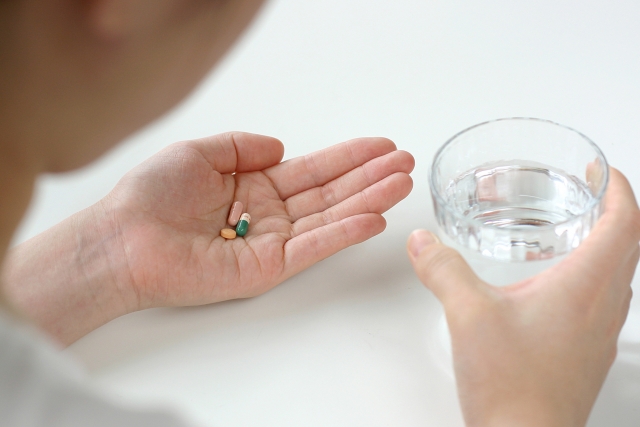
Pain Relief
For headaches, fever, cramps, and muscle pain
29 medicines
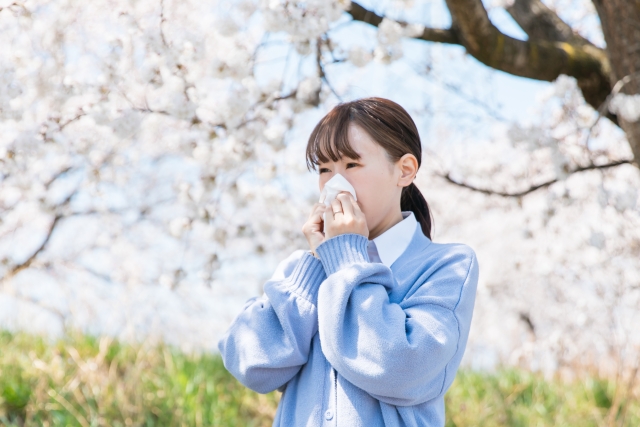
Allergy
Antihistamines for hay fever, sneezing, and itchy eyes
34 medicines

Cold Medicine
For sore throat, congestion, cough, and fever
52 medicines

Digestive Health
For stomach pain, diarrhea, constipation, and bloating
34 medicines

Sleep Aids
For occasional difficulty falling asleep
7 medicines
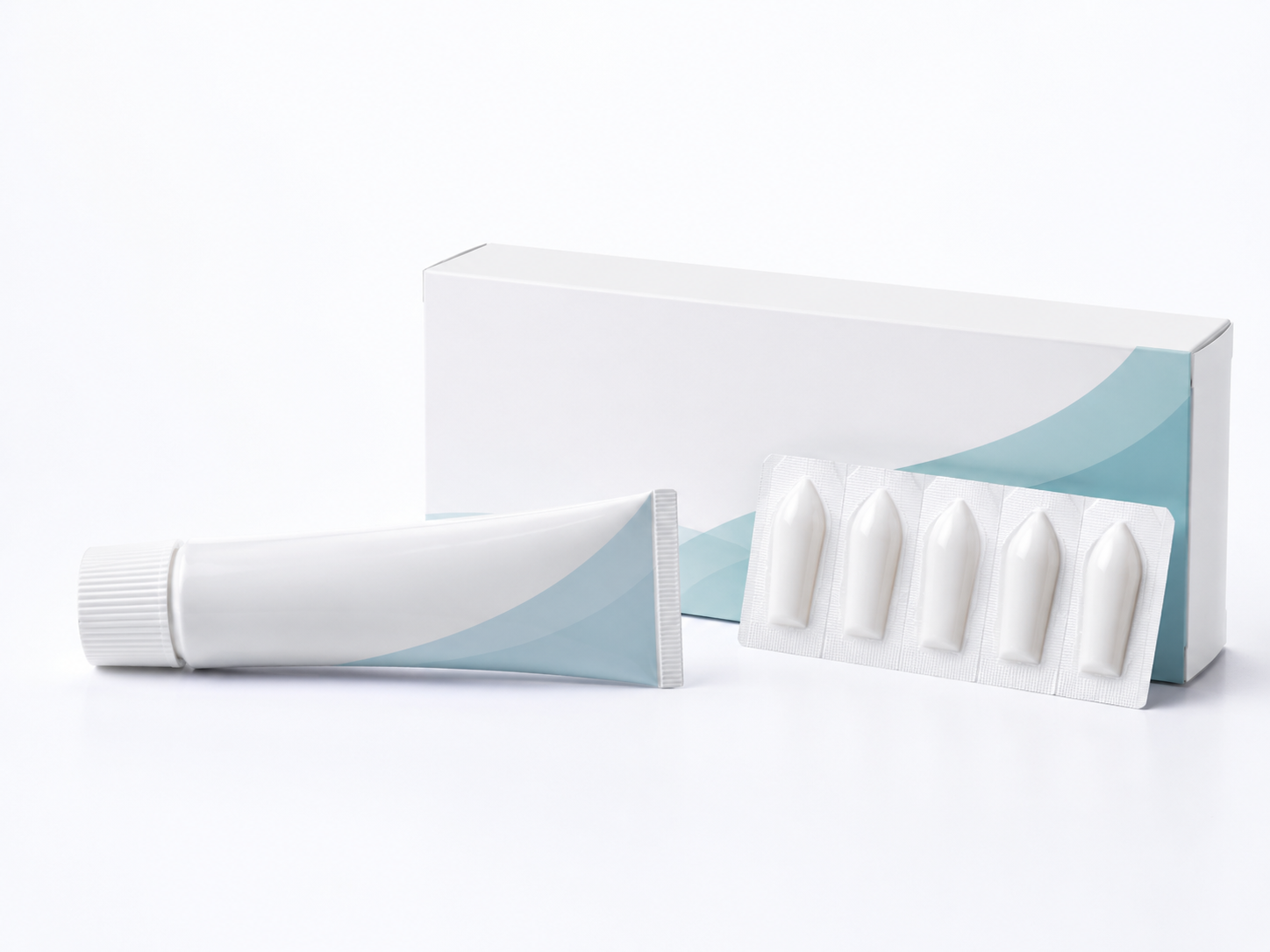
Yeast/Thrush
Antifungal medicines for vaginal yeast infections
8 medicines

Feminine Itch Relief
For intimate itching, irritation, and feminine hygiene
14 medicines

Topical
Creams, patches, and gels for pain and skin conditions
44 medicines
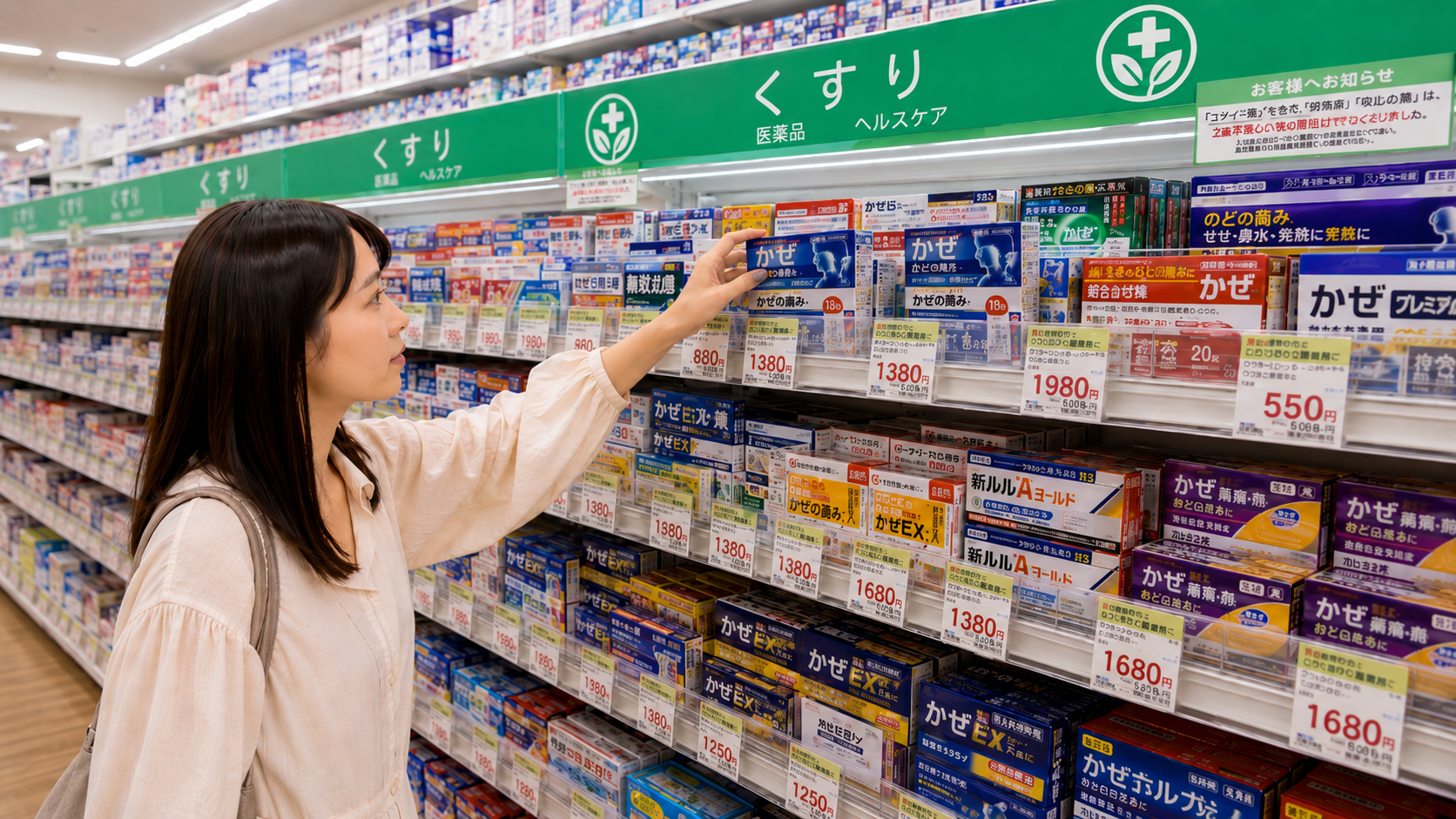
Guides
Practical guides for buying medicine in Japan
Popular Medicines
Familiar brands from back home — and their closest Japanese equivalents. Tap any product for full English ingredients, dosage, and warnings.


Guides for Buying Medicine in Japan
Where to find familiar medicines, how to read a Japanese medicine box, and what the class system means — all explained in English.
Children's Fever Medicine in Japan: Acetaminophen and Age Checks
Cold MedicineChildren's Cold Medicine in Japan: Syrups, Powders, Tablets, and Age Checks
Buying in JapanDramamine in Japan: OTC Equivalent for Motion Sickness
Buying in JapanCan You Buy Antibiotics OTC in Japan? Prescription Only
Buying in JapanImodium in Japan: The Closest OTC Loperamide Alternatives
Buying in JapanBenadryl in Japan: Diphenhydramine Equivalent OTC
Buying in JapanNo Melatonin in Japan? Here's the OTC Sleep Aid to Get
Buying in JapanNyQuil in Japan: Closest Equivalent and Where to Buy
Buying in JapanHow to Order Medicine on Amazon Japan — English Guide
Cold MedicineCold and Flu Medicine in Japan: What to Buy at the Drugstore
Buying in JapanJapanese Drugstore Chains: A Guide for Visitors
Buying in JapanCan You Get Claritin in Japan? Yes — It's Called Claritin EX
Buying in JapanAcetaminophen in Japan: Tylenol Isn't Sold, But This Is
Buying in JapanIbuprofen in Japan: Advil Isn't Sold, But the Ingredient Is
Buying in JapanCodeine in Japanese Cold Medicine: What You Need to Know
Buying in JapanHow to Read the Back of a Japanese Medicine Box
Buying in JapanJapan's OTC Medicine Class System: What the Labels Mean
Buying in JapanYeast/Thrush Medication Check Sheet
Buying in JapanAbuse-Prevention Medicines in Japan: What That Sign Means
Understanding Japanese OTC Medicine Classes
Japan classifies all OTC medicines into classes based on risk level. The class determines where you can buy it and what precautions apply — important to know before heading to the pharmacy or ordering online.
All medicines listed are available without a prescription at Japanese pharmacies.
Class 1 medicines require answering several quick questions from a pharmacist at the time of purchase.
第1類医薬品
Available at pharmacies only. A pharmacist must be present and provide guidance before purchase.
e.g. Loxonin S, Empecid L
指定第2類医薬品
Available at drug stores. Higher risk of misuse — limited to one box per person. Online purchase requires a questionnaire.
e.g. Lulu Attack EX, Benza Block
第2類医薬品
Available at drug stores. The most common OTC category — no pharmacist required.
e.g. Allegra FX, Claritin EX
第3類医薬品
Available at drug stores and convenience stores. Lowest risk — the easiest to purchase.
e.g. Salonpas, Biofermin VC
Some medicines on this site carry an additional Abuse-Prevention designation (指定濫用防止医薬品) — limited to 1 unit per person per transaction, with pharmacist confirmation required both in-store and online.
Some products on this site are classified as quasi-drugs (指定医薬部外品) — a Japanese category for products considered mild enough to be sold without restriction at pharmacies, drugstores, convenience stores, and supermarkets. These products do not display a class number.
Each medicine on this site displays its class so you always know what to expect.
Finding Medicine in a Japanese Pharmacy
Not sure which aisle to look in? Japanese pharmacies use these signs to organize their shelves. Pull up this page in-store to find what you need quickly.
| Japanese | Reading | What it means |
|---|---|---|
| 風邪薬 | kazegusuri | Cold medicine |
| 鼻炎薬 | biennyaku | Allergy / Hay fever medicine |
| 鎮痛剤・頭痛薬 | chintsūzai / zutsuuyaku | Pain reliever / Headache medicine |
| 解熱鎮痛薬 | genetsuchintsūyaku | Fever & pain relief |
| 胃腸薬 | ichōyaku | Digestive / Stomach medicine |
| 睡眠補助薬 | suimin hojoyaku | Sleep aid |
| 目薬 | megusuri | Eye drops |
| 湿布・外用薬 | shippu / gaiyōyaku | Pain patches / Topical medicine |
About OTC Guide Japan
Finding the right medicine in Japan can be confusing when you can't read Japanese labels. OTC Guide Japan provides clear, English-language information on common over-the-counter medicines — from cold remedies and allergy pills to topical treatments — so you can make informed decisions at the pharmacy.
Learn more →